
How to Lower Your Electric Bill: Effective Solutions for Homeowners
Learn how to lower your electric bill with practical home energy-saving tips and smart upgrades. Read effective solutions for homeowners today.
August 1, 2026
A lower electric bill usually comes from boring changes, not magic products.
That may sound a little disappointing, but it is good news. You do not need to chase every gadget on the market. Most households save money by doing three things well: finding where electricity is actually going, fixing waste, and making smart upgrades when equipment is old or the home is already under renovation.
If you are moving into a new place, updating an older house, or planning electrical work, this is the right time to think about energy use. Some improvements are simple, like switching lighting or adjusting thermostat settings. Others involve Residential Electrical Services, such as installing smart controls, upgrading circuits, or correcting unsafe wiring that causes trouble and inefficiency.
Start with the biggest energy users
Many homeowners focus on lights first because they are easy to see. Lights matter, but in most homes they are not the largest part of the bill. The heavy hitters are usually heating and cooling, electric water heating, laundry, kitchen appliances, and anything that runs for long stretches.
A useful first question is not “How do I cut everything?” It is “What in my house runs the most?”
If your home uses electricity for space heating, that will often be the biggest load. Baseboard heaters, electric furnaces, and portable heaters can push bills up fast in winter. Air conditioning can do the same in summer, especially in poorly insulated homes or houses with older equipment. Water heaters are another steady drain. They work quietly in the background, so people forget about them until the bill arrives.
Then there are the sneaky loads. A second fridge in the garage, a dehumidifier that runs all day, an older freezer, heated bathroom floors, or an EV charger used during peak utility hours can add more than people expect.
Before spending money, look at your last 12 months of bills if you can. Seasonal spikes tell a story. High winter bills point toward electric heat, hot water, or draft issues. Summer peaks often point to air conditioning, ventilation, or poor shading. Flat but consistently high bills usually mean too many always-on devices or inefficient appliances.
Quick wins that usually pay off fast
Some changes are worth doing almost immediately because the cost is low and the savings start right away.
LED lighting is the obvious one, and for once the obvious answer is still correct. If your home still has incandescent or halogen bulbs, replacing them with LEDs can cut lighting use sharply. The savings from one bulb are small. The savings across a whole house are not.
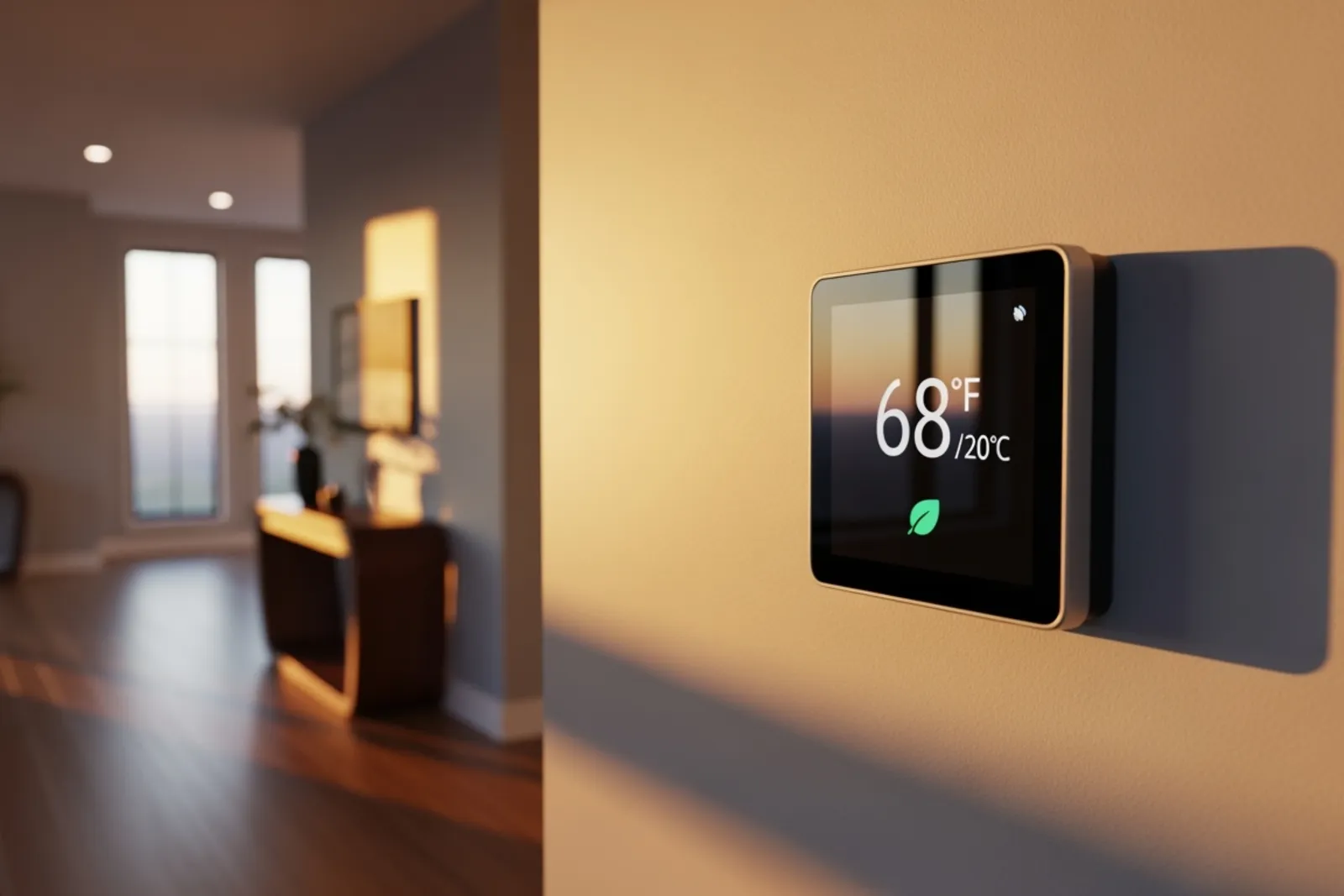
Smart thermostats can also help, though I think they get overhyped. They are useful when they match your routine. If the house is empty during work hours, a smart thermostat can reduce heating or cooling automatically and bring the temperature back before you return. If someone is home all day and comfort settings rarely change, the savings may be more modest.
Power bars for entertainment systems and office setups are another easy fix. Many homes have clusters of electronics that keep drawing power even when nobody is using them. That “phantom load” is real, but it is also easy to exaggerate. Unplugging a toaster will not transform your bill. Managing a room full of idle electronics can make a noticeable difference over time.
Laundry habits matter more than people think. Washing with cold water, running full loads, and avoiding over-drying can trim both electricity use and wear on clothing. If your dryer vent is clogged or too long, the dryer runs longer than necessary. That is one of those small maintenance jobs with a very practical payoff.
Heating and cooling are where real savings live
If your electric bill feels unreasonable, start here.
Lowering heating demand is not only about the heater. It is about the house. Drafts, poor sealing around windows and doors, and weak attic insulation make electric heat work harder. If your home feels chilly near exterior walls or you notice rooms that are hard to keep comfortable, the issue may not be the thermostat at all.
For cooling, check the simple things first. Dirty filters, blocked vents, and outdoor condenser units packed with debris all reduce performance. Window coverings help too. Direct sun can turn a room into an oven by late afternoon.
Ceiling fans deserve more credit than they get. They do not cool the air, but they make people feel cooler, which means you can often raise the thermostat a little in summer without sacrificing comfort. In winter, some fans can help circulate warm air that collects near the ceiling.
If your heating system is old, this is where planned Electrical Upgrades can make a difference. A more efficient heat pump, properly powered and professionally installed, often changes the bill far more than a stack of small habits. The same is true for upgrading controls, zoning, or replacing damaged electrical components that keep equipment from operating properly.
Water heating is the quiet money drain
An electric water heater can be one of the biggest year-round loads in the house. Because it works in the background, it rarely gets attention until it fails.
Start with usage. Long hot showers, frequent laundry in hot water, and back-to-back dishwasher cycles all add up. Lowering the water heater temperature slightly, if it is set higher than necessary, can help. So can insulating accessible hot water pipes and fixing any dripping hot taps.
If the water heater is older, replacement may be worth the math. Newer units are often more efficient, and in some homes a heat pump water heater is a smart choice if the space and climate are suitable. These decisions should be made carefully because installation requirements, electrical capacity, and room conditions matter.
This is also where Home Electrical Solutions become part of a larger efficiency plan. A new appliance does not perform well if the wiring, breaker sizing, or circuit layout is wrong. Good electrical work does not create savings by itself, but it allows efficient equipment to run safely and as intended.
Kitchens, laundry rooms, and other high-use zones
Appliance efficiency varies a lot, especially in older homes.
An aging refrigerator running in a hot garage can use much more electricity than people expect. So can an old freezer that never seems to turn off. Dishwashers, ovens, and cooktops are more usage-dependent, but they still matter, especially in busy households.
The laundry room is often overlooked. Electric dryers use a lot of power, and they get less efficient when airflow is restricted. A crushed flex hose, lint buildup, or a long vent run will extend dry times. That means more heat, more electricity, and more stress on the appliance.
Bathroom and comfort features can also affect the bill. Heated floors, towel warmers, hot tubs, and saunas are great when used intentionally. They are expensive when left running longer than needed. Timers and smart controls are a practical answer here.
If you are renovating, think about these spaces early. It is much easier to add proper circuits, controls, and efficient layouts while walls are open than after everything is finished.
Use timing to your advantage
In many areas, when you use electricity matters almost as much as how much you use.
If your utility uses time-of-use or peak pricing, shifting large loads can help. Running the dishwasher overnight, charging an EV off-peak, and doing laundry outside high-rate periods can trim the monthly total without changing total energy consumption much.
This is one of the rare times where automation is genuinely helpful. A programmable thermostat, EV charger schedule, timer-controlled floor heat, or smart water heater setting can reduce peak usage without asking you to remember anything. That is the kind of convenience I actually like. If a system depends on perfect human discipline, it usually falls apart by the third week.
For households with electric vehicles, charging habits deserve special attention. Faster is not always cheaper. Charging at night during lower-rate periods can make a real difference over a month.
What electrical upgrades can and cannot do
It is worth being honest here. Some homeowners hear “electrical upgrade” and assume the panel itself will lower the bill. Usually, it will not.
A new panel does not magically reduce energy use. What it does do is improve capacity, reliability, and safety. That matters if you are adding a heat pump, EV charger, induction range, basement suite, or renovation loads. It also matters if your existing panel is outdated, overloaded, or showing signs of wear.
Electrical Repair can affect bills in a few cases. Loose connections, failing breakers, damaged conductors, and overheating devices can cause equipment to operate poorly or unsafely. The main reason to fix them is Safety, not energy savings, but a system in poor condition can create both higher risk and worse performance.
Old wiring can also limit your options. You may want efficient heating, better controls, or a dedicated circuit for a new appliance, but the house may not be ready for it. That is where professional Home Electrical Solutions help the most. They remove the bottlenecks that keep the rest of the house stuck in the past.
Do a simple home energy check before calling anyone
You do not need specialized equipment to learn a lot about your home. A basic walkthrough can tell you where the bill is being shaped.
Check your utility bills for seasonal spikes and compare high-use months.
Walk room by room and list devices that run daily or stay plugged in all the time.
Inspect filters, vents, and dryer exhaust paths.
Look for comfort clues, such as cold rooms, hot upper floors, or drafts near windows and doors.
Note any electrical warning signs, like warm outlets, flickering lights, or breakers that trip repeatedly.
Review major appliances by age, especially water heaters, fridges, freezers, and electric heat sources.
This kind of list helps you separate “I think our bill is high because of the lights” from “our old garage fridge and electric heat are probably doing most of the damage.”
Safety issues that should never be ignored
Sometimes a high electric bill arrives with another message underneath it: something in the home is not working properly.
Pay attention to repeated breaker trips, buzzing from panels or switches, flickering lights that are not caused by a loose bulb, warm outlets, burning smells, or extension cords being used as permanent wiring. Those are not efficiency problems first. They are safety problems.
If you are seeing any of that, stop chasing tiny energy savings and deal with the electrical issue. A home should not ask you to choose between comfort and basic safety.
This is also where qualified help matters. For inspection, troubleshooting, and code-compliant upgrades, many homeowners prefer licensed professionals, including Red Seal Certified Electricians where that credential applies, because the job is not only about making something work. It is about making it safe to live with every day.
Renovating or moving? Plan for lower bills now
The cheapest time to improve a home is often when work is already happening.
If you are renovating a kitchen, finishing a basement, adding a bathroom, or updating an older panel, think beyond the immediate project. Ask how the space will be used in five or ten years. Will you want electric vehicle charging? Better cooling? Heated floors on timers? Dedicated circuits for office equipment? A future heat pump or hot tub?
Planning ahead can prevent expensive rework later. It also gives you a better shot at lower operating costs because systems are sized and wired with real life in mind, not patched together one appliance at a time.
For new homeowners, the first year is usually a good time to learn the house before making big decisions. Live through one heating season and one cooling season if you can. The bill patterns, comfort issues, and small annoyances will tell you what matters most.
The practical bottom line
If you want a lower electric bill, do not start with gimmicks. Start with evidence.
Find the biggest loads. Fix waste. Maintain the equipment you already have. Use smart controls where they actually reduce effort. Upgrade major systems when age, poor performance, or renovation plans make it sensible.
A few habits help, but the larger wins usually come from heating, hot water, appliance efficiency, and well-planned electrical work. That is why the best approach is usually a mix of behavior changes and technical improvements. One without the other can feel incomplete.
And if your review of the house turns up overloaded circuits, unreliable wiring, or equipment that clearly needs professional attention, get help before the problem grows. For questions about inspection, Electrical Repair, or Electrical Upgrades, you can contact a licensed residential electrician and get a second opinion before committing to any major work.
A lower bill is nice. A safer, more efficient home is better.