
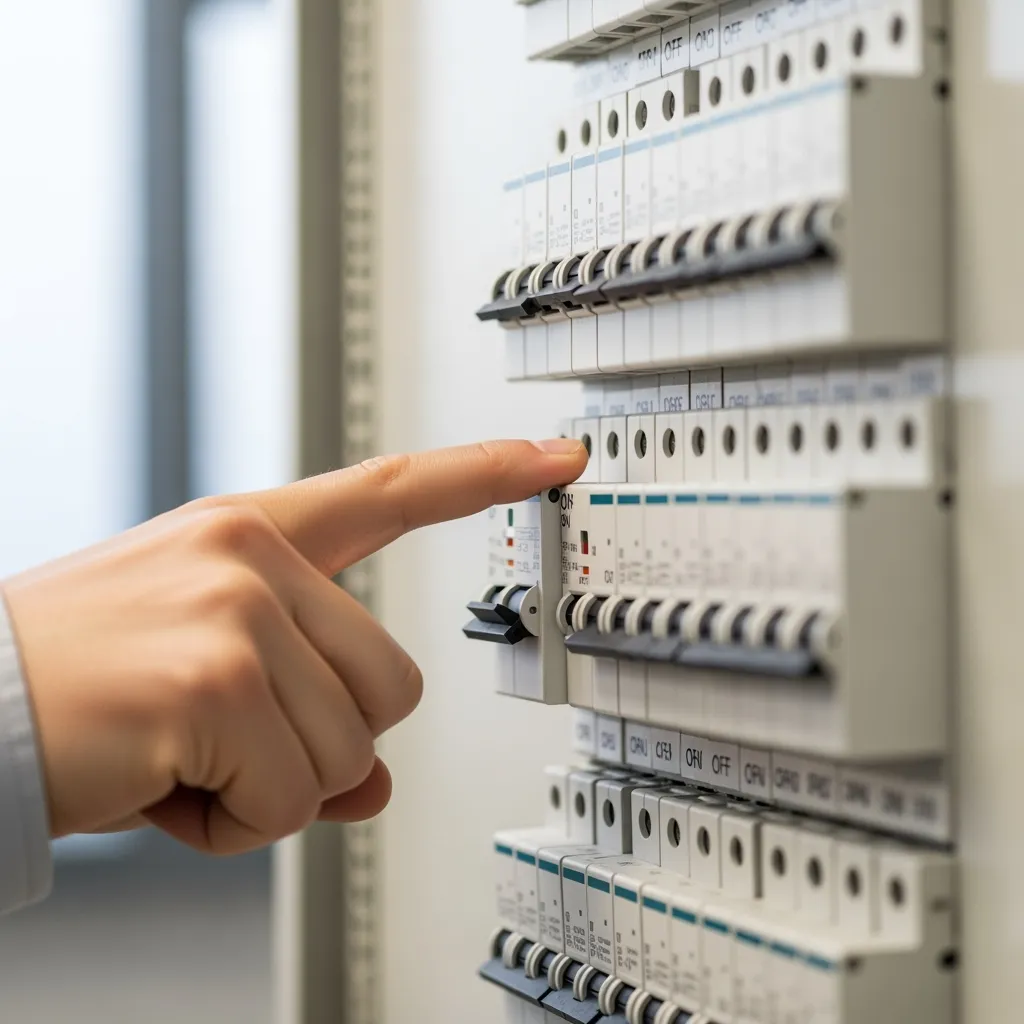
Circuit breakers are the cornerstone of electrical safety in modern buildings. Whether in a cozy Vancouver home or a bustling commercial space, these devices act as vigilant guardians, continuously monitoring the flow of electricity through your wiring. If something goes wrong—such as an overloaded circuit or a sudden fault—a circuit breaker springs into action, instantly shutting off the current to prevent wires from overheating and potentially igniting a fire. This swift intervention not only protects property but also safeguards people from the risk of electric shocks.
For homeowners and businesses, understanding the role of circuit breakers is more important than ever. As households add more high-demand appliances like EV chargers, hot tubs, and advanced entertainment systems, and as businesses power complex equipment, the risk of overloading circuits increases. Effective circuit breaker systems ensure that these modern conveniences don’t come at the expense of safety. By staying informed about how circuit breakers work and recognizing their significance, individuals can make better decisions, respond appropriately to electrical issues, and support the longevity and reliability of their electrical systems. Simply put, a well-maintained circuit breaker is the first line of defense against potentially devastating electrical problems.
At their core, circuit breakers are marvels of engineering designed to halt dangerous electrical flow before it can do damage. The device continuously senses the amount of current passing through a circuit. If this current exceeds a preset safe limit, the breaker “trips” to interrupt the flow—protecting people, electronics, and structural wiring.
The mechanism inside a standard breaker involves two main safety responses. For sustained overloads—such as plugging too many kitchen appliances into one circuit—a bimetallic strip gradually heats up from the excess current. When it bends enough, it triggers a spring-loaded switch, disconnecting the electricity to stop wires from overheating. For more dramatic events like a short circuit, where a hot wire comes into direct contact with another wire or conductive surface, an electromagnet is activated by the sudden spike in current and trips the breaker almost instantly. This quick reaction prevents catastrophic surges that could melt wires or cause fires.
Ground faults are another common risk, especially in wet areas like bathrooms or outdoors. Here, if a hot wire touches a grounded surface—sometimes through moisture or damaged insulation—there’s a heightened chance of shock. Ground Fault Circuit Interrupter (GFCI) breakers are specially designed to detect tiny leakage currents and disconnect the power even faster than standard breakers, making them essential in high-risk locations.
One major advantage of breakers over old-fashioned fuses is their reset capability. After investigating and correcting the underlying issue, users can simply reset the breaker, restoring power without needing to replace parts. This reliability and convenience are a big reason breakers are standard in homes and businesses across Vancouver and beyond.
When a breaker trips, it’s more than just an annoyance—it’s a sign your electrical system is protecting you from a potentially dangerous situation. The most common reason is an overloaded circuit, which happens when too many appliances or devices draw more current than the circuit can safely handle. For example, operating a microwave, toaster, and coffee maker on the same kitchen circuit can easily exceed a typical 15–20 amp limit, causing the breaker to trip.
Short circuits are another culprit. This happens when a live wire contacts a neutral wire or another conductive pathway, creating a sudden, massive flow of current. It can be caused by things like deteriorated insulation, loose connections, or even a nail puncturing a wire behind a wall. The result is an immediate trip to prevent wires from melting or igniting.
Ground faults are especially dangerous where water is present. If a hot wire contacts anything grounded—like a metal appliance frame or moist surface—it can energize surfaces that shouldn’t be live, creating a serious shock risk. GFCI breakers are designed to react to even small leakage currents and shut off power immediately, commonly found in kitchens, bathrooms, and outdoor areas.
If a breaker trips, follow these safe steps:
Unplug all devices and turn off switches on the affected circuit.
Find your electrical panel and locate the breaker in the middle or “off” position. Many show a red or orange marker to indicate they’re tripped.
Reset the breaker by pushing it fully to the “off” position, then back to “on.” Stand to the side and use one hand for safety.
Plug in or turn on devices one at a time, waiting a few minutes between each. If a particular device or appliance causes the trip, it may be faulty or drawing too much power.
If the breaker trips again immediately, or won’t reset even with everything unplugged, stop. Do not attempt repeated resets. Signs like burning smells, scorch marks, or buzzing sounds mean it’s time to contact a licensed electrician right away.
Electrical panels aren’t designed to last forever, and as homes and businesses evolve, so do their power needs. One of the clearest warning signs that your panel needs attention is frequent breaker trips, especially on the same circuit after you’ve already tried moving devices to other outlets. This often points to a breaker that’s worn out or not sized correctly for your current demands.
Physical symptoms are even more urgent. If you detect burning smells, see scorch marks near outlets or the panel, or notice breakers that are hot or emit a buzzing sound, these are all signs of serious overheating or faulty connections. Such issues can escalate quickly and should never be ignored—immediate professional inspection is critical to avoid fire hazards.
Lighting problems offer another clue. If lights flicker or dim noticeably when appliances start up, your circuits may be overloaded or your panel might be struggling with old, weakened components. Older panels—typically those installed more than 25–30 years ago—can deteriorate over time, losing their ability to safely manage today’s higher electrical loads. This is especially true if your home still uses its original panel and has recently seen upgrades like an EV charger, hot tub, or other major appliances.
Visible water damage, rust, melted plastic, or any physical defects inside the panel should be taken seriously, as moisture and corrosion can compromise the safety of the entire system. If you find there’s no more space in the panel for new circuits but are planning renovations or equipment installations, it’s time to discuss an upgrade with a licensed professional. Modern life often demands more capacity than panels from decades past can handle, making proactive upgrades essential for safety and convenience.
There are many electrical issues you can troubleshoot safely, but certain situations demand immediate attention from a licensed, insured electrician. If you encounter burning smells, visible scorch marks, breakers that are hot or buzzing, or any sign of arcing, turn off power to the affected area and call a professional right away. Persistent breaker trips—especially if they occur even with all devices unplugged—often signal deeper wiring or panel problems that should never be ignored.
Licensed electricians bring the expertise and tools needed to diagnose complex issues like unknown short circuits, ground faults, or failing breakers. They can also carry out repairs or replacements using parts that meet current safety standards, ensuring your system remains reliable and insurable.
When planning to add high-demand features like EV chargers, a new hot tub, or undertake major renovations, consult with an electrician early on. Many of these upgrades require additional circuits or even a complete panel upgrade, particularly in older homes or commercial spaces. A professional will assess your current panel’s capacity, recommend necessary improvements, and ensure everything complies with local codes—crucial for property value, insurance, and safety.
Regular inspections every three to five years can catch small problems before they turn into expensive emergencies. A qualified electrician will test safety devices (including GFCI and AFCI breakers), check connections, look for hot spots, and verify proper grounding. By hiring a reputable, fully insured professional, you protect your property, avoid code violations, and gain peace of mind knowing your electrical system is in top condition—ready for whatever the future holds, from new appliances to green technologies.


Eagle Power delivers professional electrical services for residential and commercial properties, ensuring safety and excellence with licensed experts.
.png)

