
Columbia, SC and many regions like Vancouver experience unpredictable weather and occasional infrastructure challenges that can lead to frequent power outages. For homeowners, losing electricity can mean more than just inconvenience—it threatens food safety, disrupts heating or cooling systems, impacts medical devices, and interrupts the ability to work remotely or stay connected. For businesses, even a short power loss can halt operations, result in lost revenue, and damage sensitive equipment or data.
Reliable backup power systems are no longer a luxury but a necessity for both residential and commercial settings. Whether it’s a sudden summer storm or a scheduled utility maintenance, being prepared ensures that essential services—such as lights, refrigerators, EV chargers, hot tubs, saunas, security systems, and computers—remain operational. This is especially crucial for those with medical needs or who run businesses where uptime is critical.
Choosing the right backup power solution isn’t one-size-fits-all. Factors like the size of the property, the critical nature of connected loads (from HVAC to hot tub electrical), and the importance of silent or emission-free operation will guide the best choice. The good news is that today’s market offers a variety of options—ranging from traditional generators to cutting-edge solar-plus-battery systems and compact, standalone battery storage—to help everyone stay powered up, regardless of the emergency or routine need.
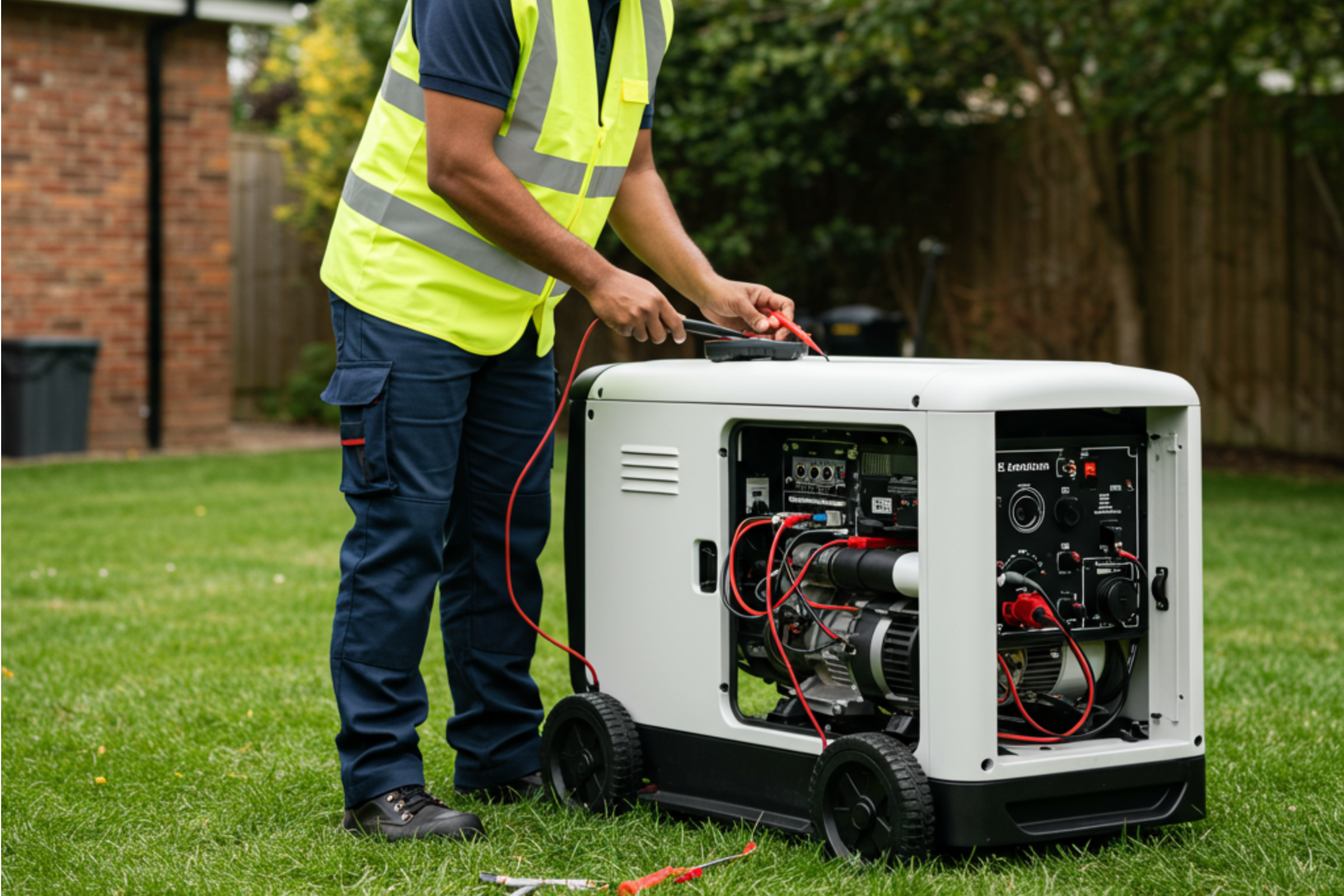
Standby generators powered by natural gas or propane have long been the gold standard for robust backup power in both homes and businesses. Installed outside and wired directly to your electrical panel, these systems use an automatic transfer switch that senses a utility outage and triggers the generator to start—often within 10 to 30 seconds. Natural gas models connect to municipal gas lines for uninterrupted fuel, while propane versions rely on on-site tanks. Portable units, running on gasoline or propane, offer flexibility but lack the capacity and automation of permanent installations.
The primary advantage of these generators is their ability to deliver enough power for entire homes or commercial spaces. They can keep large appliances, HVAC systems, and sensitive electronics running seamlessly during prolonged outages—a crucial factor for critical environments like hospitals, restaurants, or offices with vital data centers.
Cost is another benefit; compared to solar-plus-battery systems, generators typically require a lower upfront investment for the same power capacity. A typical whole-house standby unit (including installation) ranges from $5,000 to $10,000, with maintenance costs around $200–$300 annually. However, ongoing fuel consumption, especially during extended outages, can add up.
Despite the reliability, these systems have drawbacks. They emit exhaust gases (such as carbon monoxide and carbon dioxide), require outdoor installation with proper venting, and are significantly louder than battery-based solutions. Regular maintenance—such as oil changes, filter replacements, and spark plug checks—is essential. Standby generators also don’t help reduce your regular electric bills or your carbon footprint, making them less appealing for those with environmental concerns.
In summary, natural gas and propane generators remain a strong choice for those prioritizing maximum power, especially for whole-house or business backup where quietness and emissions are less of a concern.
Solar-plus-battery backup systems are rapidly gaining popularity as both a backup and everyday energy solution—particularly for those seeking quieter, cleaner, and more sustainable options. These systems pair rooftop or ground-mounted solar panels with one or more battery units, creating a powerful combination that generates electricity during the day and stores excess energy for use during evenings, outages, or grid disruptions.
During normal operation, solar panels reduce your reliance on the grid, which in turn lowers your monthly electric bills. If the grid goes down, specialized inverters and isolation switches allow the batteries to supply power to your home or business—creating a self-sufficient microgrid. This is especially valuable in sunny locales, where solar generation is consistent for much of the year.
The biggest advantage of solar-plus-battery systems is their silent, emission-free operation and minimal maintenance requirements. They come with long-term financial benefits, too: a significant portion of the upfront cost (typically $20,000–$30,000 before incentives) is offset by a 30% federal Residential Clean Energy Credit, and additional local incentives may apply. Over time, savings on electric bills can help recoup the initial investment.
However, several factors must be considered. Output depends on the amount of sunlight available, and cloudy days or nighttime usage will draw solely from battery reserves. Whole-house backup, especially for high-demand items like central air conditioning, requires substantial battery capacity, which increases costs. Additionally, systems require suitable roof or ground space and periodic battery replacements every 10 years or so.
From an environmental perspective, solar-plus-battery systems are the cleanest long-term choice. While there is an initial manufacturing impact, the reduction in grid emissions and local air pollution far outweighs that over the system’s lifetime. For those seeking to combine energy independence with sustainability, solar-plus-battery systems offer a compelling, future-ready solution.
Standalone battery backup systems offer a highly practical, modern solution for those who value instant, silent, and emission-free power continuity. These systems consist of rechargeable lithium batteries integrated with your electrical panel via a smart inverter. When the grid fails, the switch to battery power is almost instantaneous—protecting sensitive electronics, maintaining critical circuits, and keeping essential appliances running without interruption.
This approach is ideal for safeguarding critical loads: refrigeration units, medical equipment, security systems, EV chargers, hot tub components, and home office setups. Many battery systems also provide user-friendly monitoring via smartphone apps, so you can check power status and usage in real time. These systems qualify for the 30% federal tax credit and can be installed indoors or outdoors, requiring minimal space and virtually no routine maintenance.
The main trade-off is storage capacity. A typical battery unit (10–15 kWh) can keep essentials powered for about a day, but larger loads—like central air or multiple large appliances—will drain the battery much faster. Extending coverage to a whole home or business requires multiple battery units, which increases both the financial and installation commitment. Expect a single battery system, after incentives, to cost between $7,000 and $10,000; multi-battery solutions or commercial setups can range far higher.
Another consideration is battery lifespan. Over several years, capacity will gradually diminish, and replacement may be needed after about a decade. Still, the silent operation, lack of emissions, instant response, and near-zero maintenance make standalone battery backups a top choice for those needing reliable protection for vital systems—particularly in dense neighborhoods or offices where noise and fumes are a concern.
Selecting the optimal backup power setup involves careful consideration of your unique needs, property layout, and long-term goals. Start by identifying what truly needs to stay powered during outages—whether that’s the whole house, business operations, or only critical circuits like refrigeration, HVAC, medical devices, or remote work equipment.
Budget and environmental preferences play a significant role. Generators are hard to beat for high power at a lower upfront cost, but come with ongoing fuel and maintenance expenses, along with higher emissions and noise. Solar-plus-battery systems offer the best environmental profile and ongoing electric bill savings, yet require more upfront investment and suitable property space. Standalone batteries deliver silent, instant switchover for the most important loads, and are especially favored for short or frequent outages.
Consider how long and how often outages occur in your area. Prolonged disruptions may tip the scales toward generators or hybrid solutions, while brief, frequent losses are well-managed by battery systems. Assess your ability to accommodate fuel storage (for propane or gasoline), natural gas connectivity, or sufficient sun-exposed roof area for solar. Noise levels and maintenance responsibilities will also influence your decision—batteries and solar are nearly silent and need little upkeep, while generators require regular checks.
Often, the most resilient and cost-effective approach combines technologies: solar panels and batteries can provide everyday bill savings, emissions reductions, and quiet backup, while a generator serves as an emergency fallback for extended outages.
Crucially, proper sizing, safe installation, and adherence to electrical codes are non-negotiable. Hiring a licensed and insured electrician—familiar with local regulations and experienced in both residential and commercial electrical services—is essential for ensuring the right solution, whether you’re adding an EV charger, upgrading your hot tub electrical, or protecting your business operations. Professional installers can guide you through the options and design a system that matches your budget, space, and future needs, guaranteeing safety and peace of mind.


Eagle Power delivers professional electrical services for residential and commercial properties, ensuring safety and excellence with licensed experts.
.png)

