
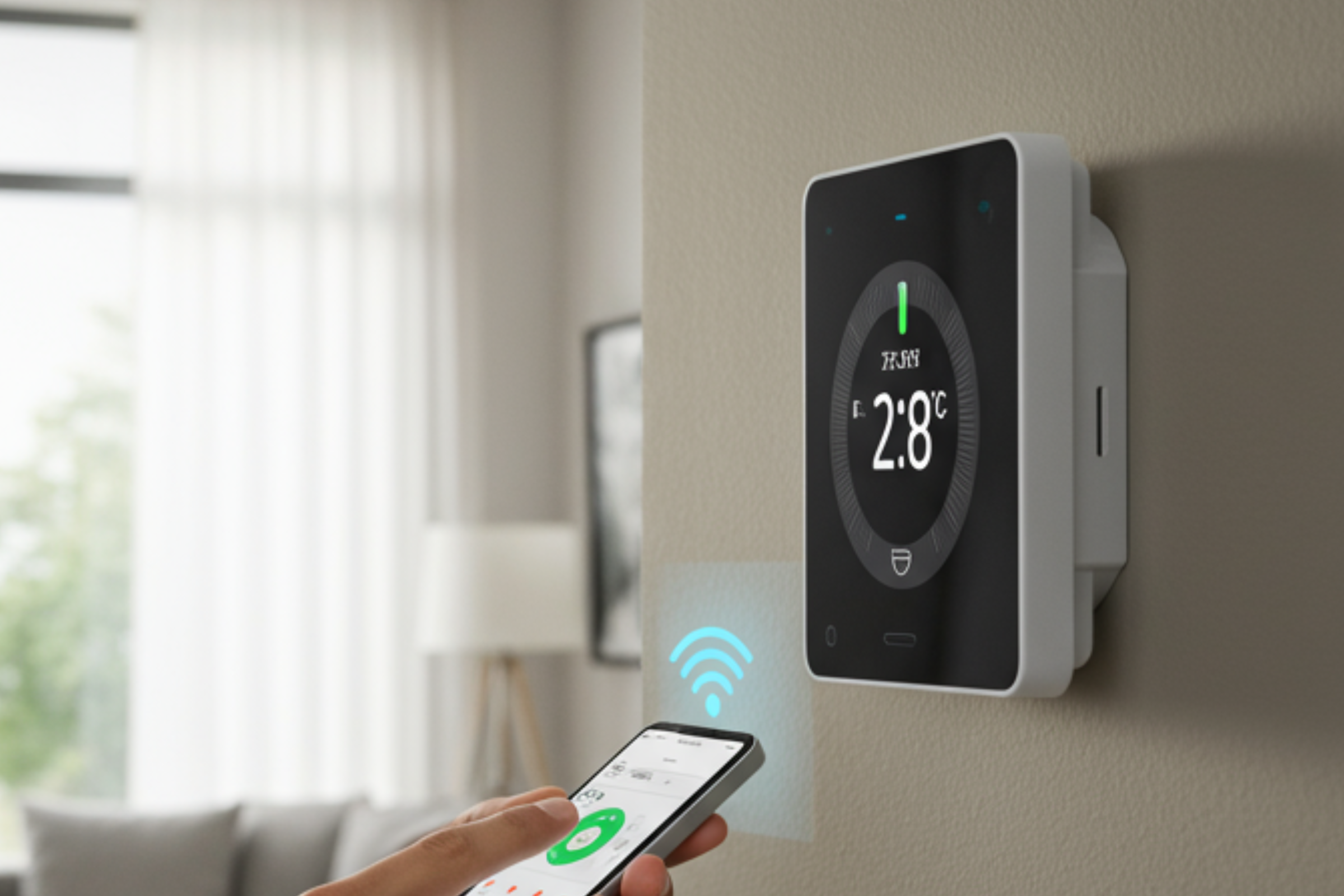
Smart home technology has evolved significantly from simple novelty gadgets into complex, integrated ecosystems that serve as the central nervous system for modern properties. At its core, this technology connects various subsystems within a house or commercial building, allowing them to communicate and function cohesively. Residents and business owners in Vancouver are increasingly adopting these systems to manage lighting, heating, ventilation, air conditioning (HVAC), security, and entertainment from a single interface. This shift transforms a standard property into a responsive environment that adapts to the needs of its occupants.
The climate and lifestyle in British Columbia often drive the adoption of these technologies. With fluctuating seasonal temperatures, having an automated system that regulates indoor climates ensures comfort while minimizing waste. Beyond temperature control, modern automation offers a streamlined approach to property management. Instead of manually adjusting multiple switches or thermostats, users gain the ability to oversee their entire electrical infrastructure through a smartphone, tablet, or voice-activated assistant.
For many, the primary appeal lies in the seamless integration of daily tasks. Whether it involves residential electrical services for a single-family home or commercial electrical services for a bustling office, the objective remains the same: to reduce friction in daily operations. A professionally designed system acts as an invisible assistant, handling routine adjustments and monitoring systems in the background. This level of connectivity requires more than just plugging in a device; it demands a strategic approach to electrical infrastructure to ensure all components work in harmony.
The advantages of integrating smart technology into a property generally fall into four robust categories: control, security, efficiency, and convenience. Control is perhaps the most immediate benefit. Homeowners can remotely manage entry points, adjust lighting intensity, or modify thermostat settings from anywhere in the world. This capability extends to creating customizable "scenes" where a single command adjusts multiple devices to suit a specific mood or activity, such as dimming lights and lowering blinds for an evening of relaxation.
Security enhancement is another critical driver for adoption. Modern systems go beyond simple burglar alarms. They offer real-time video monitoring, automated door locks, and motion sensors that send instant alerts to a user's device regarding suspicious activity. Furthermore, safety sensors can detect environmental hazards like smoke, carbon monoxide, or water leaks. Early detection of a burst pipe or a smoldering wire can prevent catastrophic damage, turning a potential disaster into a manageable maintenance issue.
Energy efficiency ties directly into cost savings and environmental responsibility. Automated lighting ensures bulbs are not left burning in empty rooms, while smart thermostats learn a household's schedule to heat or cool the home only when necessary. By analyzing energy-usage data, users can identify power-hungry appliances and adjust their habits. Finally, the convenience factor cannot be overstated. Automating routine tasks, such as turning off all electronics when leaving for work or scheduling appliances to run during off-peak hours, frees up time and mental energy for more important pursuits.
To truly understand the impact of smart technology, it helps to visualize how it reshapes a typical day. Consider the morning routine. Instead of waking up to a jarring alarm clock, the bedroom lights might gradually brighten to simulate a sunrise, helping the body wake up naturally. Simultaneously, the thermostat adjusts from a cool sleep setting to a comfortable daytime temperature, and the kitchen lights activate, paving a lit path to the coffee machine. This sequence happens automatically, allowing the homeowner to start their day with less stress and friction.
When it is time to leave the house, the "Away" routine demonstrates the power of automation. A simple voice command or the act of locking the front door can trigger a cascade of actions: the garage door closes, internal lights switch off, the security system arms itself, and the heating system goes into an energy-saving eco-mode. This eliminates the nagging worry of wondering if the iron was left on or if the back door was locked.
For those traveling, smart homes offer distinct advantages through "Vacation Mode." The system can randomly cycle lights in different rooms to simulate occupancy, deterring potential intruders. If a security camera detects motion or a sensor identifies a water leak while the family is away, an alert is sent immediately, allowing for a quick response. These practical applications show that smart home technology is not just about impressive gadgets but about creating a living space that actively supports the lifestyle and safety of its inhabitants. For older properties, a renovation electrician can implement these modern conveniences, retrofitting existing wiring to support these sophisticated workflows.
Embarking on a smart home upgrade requires careful planning to ensure the final system is reliable, safe, and easy to use. The process typically begins with a thorough assessment of the property's current electrical infrastructure and network capabilities. Many smart devices, particularly switches, outlets, and cameras, rely on a robust Wi-Fi network or specific communication protocols like Zigbee or Z-Wave. Without a strong digital backbone, devices may suffer from connectivity issues, rendering them useless.
Professional installation is a crucial component of a successful upgrade. While some plug-and-play devices exist, a comprehensive system often requires hardwiring into the building's electrical grid. This is where the expertise of a licensed electrician becomes indispensable. For instance, smart light switches often require a neutral wire, which may not be present in the switch boxes of older Vancouver homes. A professional can assess these constraints and run new wiring where necessary to ensure compatibility.
Furthermore, safety and code compliance are paramount. Incorrectly installed electrical components can pose serious fire hazards or void home insurance policies. An insured electrician ensures that all installations meet the Canadian Electrical Code and local municipal bylaws. They can also advise on the placement of devices to maximize efficiency and connectivity. By choosing professional installation, property owners avoid the common pitfalls of DIY setups, such as overloaded circuits or unstable connections, ensuring that the investment adds value and functionality rather than frustration.
Investing in smart home technology offers significant long-term value that often outweighs the initial upfront costs. The primary financial return comes from improved energy management. By optimizing the usage of heating, cooling, and lighting, homeowners often see a noticeable reduction in their utility bills. Additionally, the enhanced security features, such as monitored alarms and water leak detectors, can sometimes lead to reduced premiums on home insurance policies, as the risk of major damage is mitigated.
The scope of smart integration extends beyond standard appliances to include major electrical installations. For households adding an electric vehicle to their garage, EV charger installation can be integrated into the smart home system to charge the car during off-peak hours when electricity rates are lower. Similarly, luxury additions like hot tub electrical or sauna electrical hookups can be managed remotely, ensuring they are heated and ready for use without wasting energy maintaining high temperatures all day.
Maintaining these systems for the long haul requires a relationship with a trusted service provider. Technology evolves rapidly, and having access to a reliable expert ensures that firmware remains up to date and components remain compatible. A local provider of Vancouver electrical services brings the added benefit of understanding regional power grids and specific code requirements. Whether it is troubleshooting a connectivity issue or expanding the system to include new rooms, relying on a licensed, insured electrician guarantees that the smart home ecosystem remains a safe, efficient, and valuable asset for years to come.


Eagle Power delivers professional electrical services for residential and commercial properties, ensuring safety and excellence with licensed experts.
.png)

