
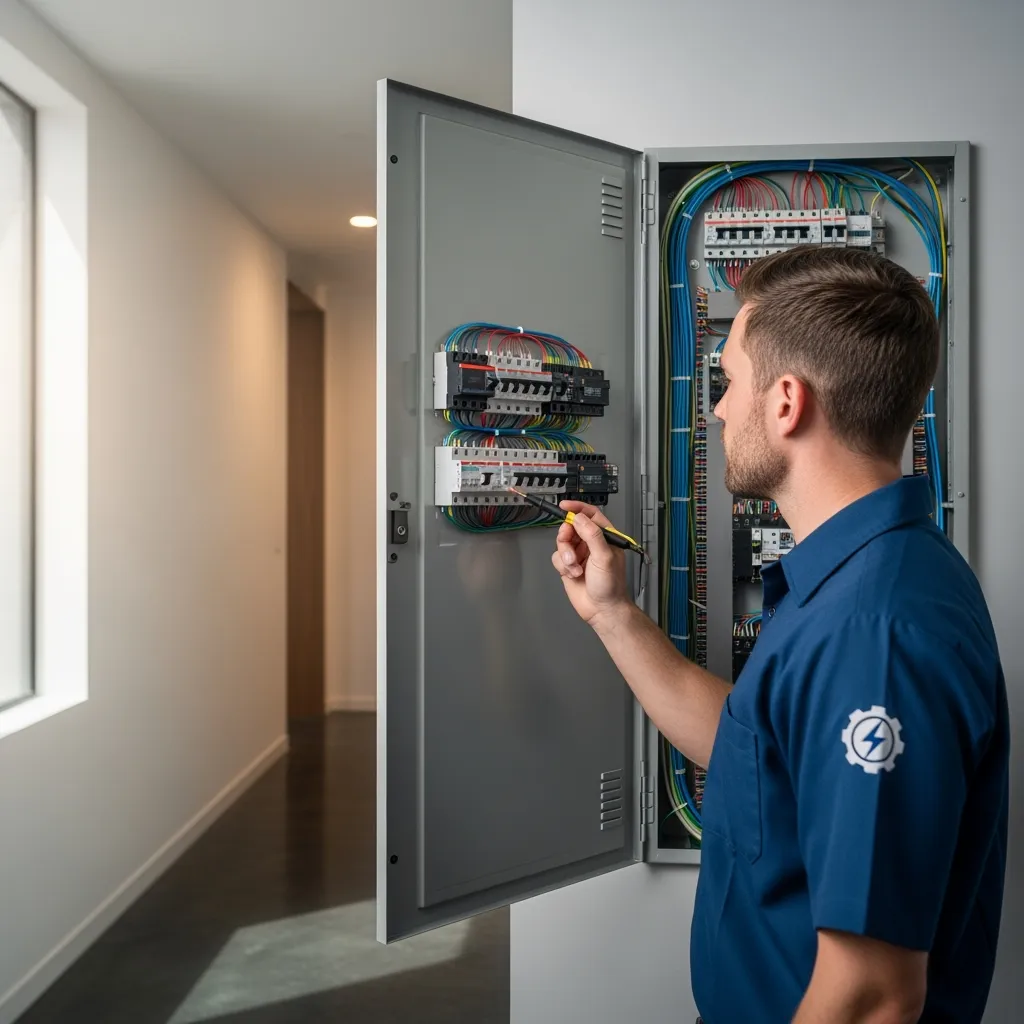
Electrical systems are the backbone of modern buildings, powering everything from lights and computers to appliances and specialized equipment. However, issues like tripped breakers, short circuits, and unexpected power outages can disrupt daily routines and even pose safety hazards. It’s essential to understand what causes these common electrical problems and how they typically present themselves in both residential and commercial settings.
A tripped breaker is often the first sign of trouble, usually occurring when a circuit is overloaded. This automatic safety switch cuts power to prevent overheating and possible fires. Short circuits, on the other hand, happen when an unintended path allows electrical current to flow, sometimes resulting from damaged wiring or faulty devices. These can cause breakers to trip repeatedly or may even lead to sparks and burning smells.
Power outages can be localized—impacting a single room or circuit—or widespread, depending on whether the issue is inside your property or part of a larger grid failure. While storms and external faults often cause broad outages, a total loss of power in just your home or business could point to internal wiring problems or a main breaker issue.
Recognizing these symptoms early and understanding their potential causes is crucial. Not only does this knowledge help in resolving issues more efficiently, but it also ensures the safety of occupants. Sometimes, simple troubleshooting is all that’s needed; other times, calling a professional electrician with extensive experience in both residential and commercial electrical services is the safest route.
Working with electricity can be dangerous, so safety must always come first. When you encounter electrical issues, it’s important to distinguish between what you can handle yourself and what requires the expertise of a licensed, insured electrician. Simple tasks such as resetting a breaker, replacing a blown fuse, or checking if an appliance is plugged in correctly can usually be performed safely by most people. However, even these tasks demand caution—always make sure your hands are dry, stand on a dry surface, and never force switches or breakers.
If you notice persistent issues like a breaker that won’t reset, frequent power loss in the same area, burning smells, visible sparks, or flickering lights, it’s time to call in a professional. Attempting to repair wiring, outlets, or circuit panels without proper training can lead to electric shock, fires, or permanent damage to your electrical system. Licensed electricians are trained to identify and resolve these problems safely, following strict codes and regulations to protect both your property and its occupants.
In regions like Vancouver, where electrical codes are rigorously enforced, working with a licensed and insured electrician ensures your repairs or installations meet safety standards. This is especially important for specialized tasks like EV charger installation, hot tub wiring, or major renovations, where technical expertise is required. Professional electrical services not only solve the immediate problem but also provide peace of mind, guaranteeing safe and reliable operation for years to come.
When faced with an electrical issue, a step-by-step approach can help you quickly pinpoint the problem and decide on the next steps. Start by identifying the affected area: is it a single outlet, an entire room, or the whole building? This will help narrow down whether you’re dealing with a localized issue or a more widespread problem.
First, check your electrical panel for tripped breakers. A breaker in the “off” position or one that’s in between “on” and “off” can easily be reset by pushing it fully to the “off” position and then switching it back to “on.” If the breaker immediately trips again, there may be an underlying short circuit or overload that needs professional inspection.
For outlets, use a simple outlet tester or plug in a working lamp to see if there’s power. If multiple outlets aren’t working, look for a tripped Ground Fault Circuit Interrupter (GFCI) outlet, often found in kitchens, bathrooms, or garages. Resetting a GFCI may restore power to several affected outlets. If it repeatedly trips, suspect moisture or a faulty appliance.
Document any patterns you notice, such as which circuits are affected or if certain appliances cause the breaker to trip. This information will be invaluable to an electrician and can speed up the diagnosis and repair process. Always stop troubleshooting if you notice alarming symptoms like burning smells, buzzing panels, or if you feel unsure—safety is more important than a quick fix.
Modern homes and businesses are increasingly installing specialized electrical systems, from EV chargers to hot tubs and saunas. Each of these installations brings its own set of requirements and potential troubleshooting challenges. For example, EV charger installation demands a dedicated, high-capacity circuit, precise grounding, and weatherproofing, especially for outdoor setups. Faulty wiring or insufficient power supply can lead to frequent tripping or even damage to your vehicle.
Hot tubs and saunas also require carefully planned electrical connections. They typically draw significant power and must be protected with GFCI breakers to prevent electrocution hazards. Improper installations can result in moisture-related shorts, persistent breaker trips, or unsafe temperature fluctuations. Always ensure these projects are handled by an electrician familiar with both residential and commercial electrical standards.
When it comes to renovations, adding new outlets, lights, or circuits can reveal hidden issues in old wiring or overloaded panels. A licensed renovation electrician can assess your current system, recommend safe upgrades, and pull the necessary permits, ensuring all work complies with local codes. Attempting to modify complex systems without expertise can lead to costly mistakes, code violations, and increased fire risk. Trusting specialists for these unique projects ensures long-term safety and reliable performance.
Proactive maintenance is key to avoiding many electrical issues before they start. Regularly test your breakers and GFCI outlets to ensure they function properly. Check outlets and switches for signs of heat, discoloration, or unusual sounds, which can all signal hidden problems. Avoid overloading circuits by distributing major appliances across different outlets, and consider upgrading your panel if you frequently add new electronic devices or systems.
Scheduling periodic electrical safety inspections, especially after renovations or when adding major appliances, can help catch minor issues before they escalate. Inspections by a licensed electrician can uncover aging wiring, outdated panels, or improper installations that may not be obvious to the untrained eye.
If you experience frequent breaker trips, unexplained power loss, or notice any burning smells or buzzing noises from your panel, don’t wait to seek professional help. Choosing a reputable Vancouver electrical service provider ensures your repairs and upgrades adhere to the highest safety standards, protecting your family, employees, and property.
Whether you’re maintaining a home, managing a business, or undertaking a major project like an EV charger or hot tub installation, working with experienced professionals keeps your electrical system running safely and efficiently long into the future.


Eagle Power delivers professional electrical services for residential and commercial properties, ensuring safety and excellence with licensed experts.
.png)

