
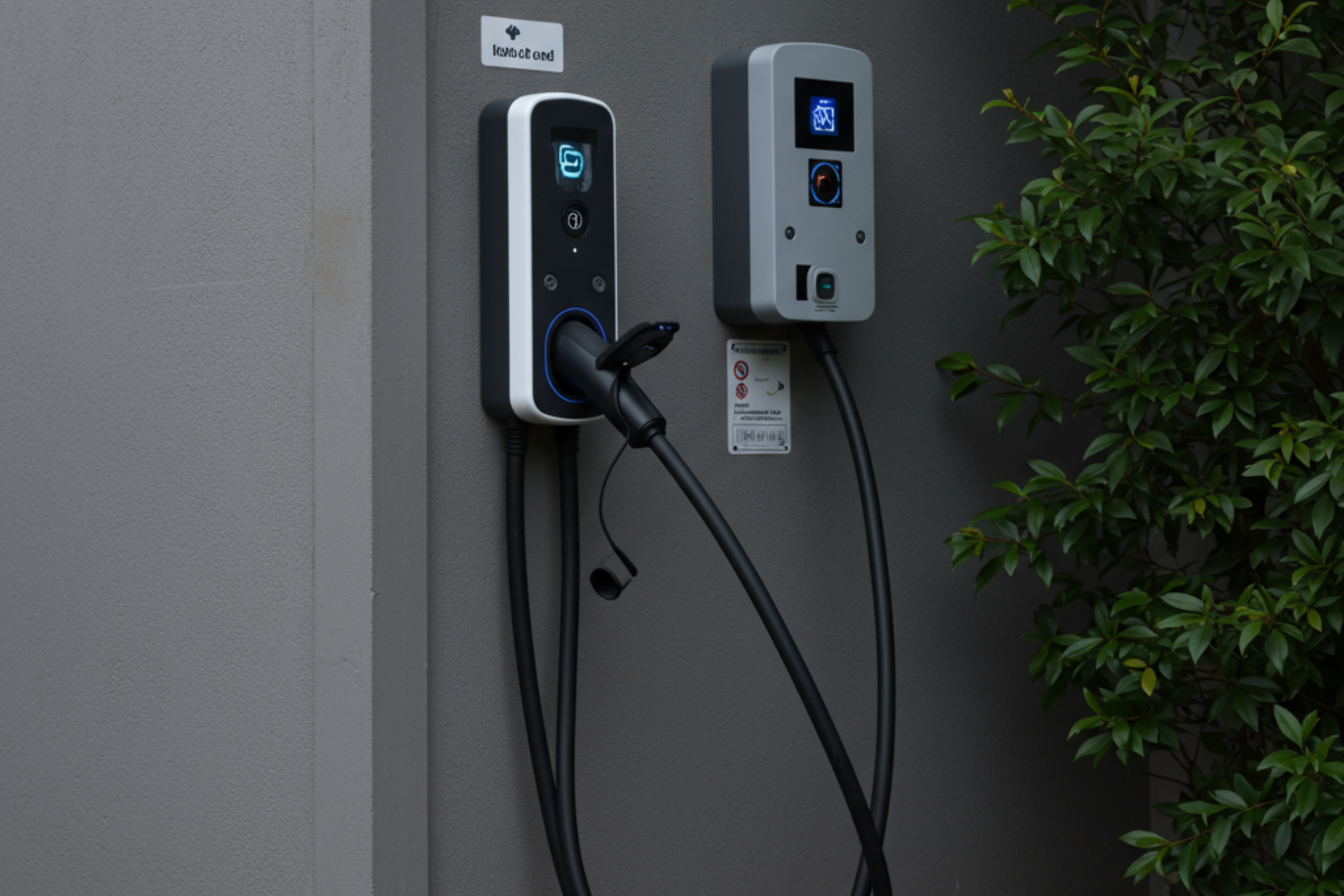
In recent years, electric vehicle (EV) adoption has surged across North America, with cities like Vancouver seeing a marked increase in EV registrations. This trend is mirrored in neighborhoods and business corridors, where a growing number of residents and business owners are investing in EV charger installation. The push for cleaner transportation, attractive government incentives, and rising fuel costs are propelling this shift.
For homeowners, the convenience of charging overnight in their own driveway is transformative. A dedicated Level 2 charger means no more worrying about finding an available public charger or paying premium rates for fast charging in commercial lots. Small businesses, on the other hand, find that offering on-site charging not only attracts new customers who drive EVs but also encourages them to stay longer—often leading to increased spending at their location.
Upgrading your property with an EV charger isn’t just about convenience. It’s also a strategic investment. Property listings increasingly highlight EV charging capability as a key amenity, with buyers and tenants factoring this feature into their decisions. With federal and utility incentives available, the installation costs for both homeowners and small businesses are more manageable than ever. These factors make now an opportune time to consider integrating EV charging into your residential or commercial electrical services, ensuring your property remains competitive and future-ready in a rapidly evolving market.
Understanding the types of EV chargers is essential before deciding on an installation. The three main categories are Level 1, Level 2, and DC fast charging—each serving different needs.
Level 1 chargers use a standard 120V outlet and deliver a modest 4–5 miles of range per hour. While they require no special equipment, their slow pace makes them practical only for emergency or very low-mileage use. Level 2 chargers, which are the most common upgrade for homes and businesses, operate on 240V power. These units can fully charge most EVs in 4–10 hours and deliver about 20–30 miles of range per hour, making daily charging convenient and reliable. For homeowners and small businesses seeking efficient charging solutions, Level 2 is the clear winner.
DC fast chargers, often seen at highway rest stops or larger commercial sites, can charge an EV to 80% in under an hour. However, their high power demand and installation complexity make them less feasible for typical residential or small business settings.
Installing a Level 2 charger involves more than just plugging in a device. It requires a dedicated 240V circuit, appropriate wiring and circuit protection, and sometimes an upgrade to your main electrical panel. Safety is paramount—hiring a licensed electrician ensures adherence to code and long-term reliability. Modern chargers come in both basic and smart (networked) models, the latter offering features like remote monitoring, scheduled charging, and integration with energy management systems. Choosing the right charger and ensuring your electrical system is prepared are key steps toward a successful installation.
Installing an EV charger isn’t just a modern convenience; it’s a move that can directly impact your property’s market value and your bottom line. As EV adoption accelerates, potential homebuyers and renters increasingly list charging capability as a must-have. Homes with Level 2 chargers stand out in listings and can command a premium, as buyers recognize the cost and hassle of retrofitting older homes without this amenity.
Research points to tangible value gains: properties located near public charging stations have seen value increases averaging 3–5%. Private chargers can yield similar, if not greater, benefits by offering unmatched convenience. For small businesses, on-site chargers can justify higher lease rates, attract desirable tenants, and encourage longer customer visits—translating to increased revenue. Some studies have noted commercial properties with EV infrastructure seeing value uplifts of up to 15% in competitive markets.
The return on investment doesn’t stop at property value. Homeowners save on fuel costs—often around $1,000 a year—by charging at home rather than relying solely on public or gasoline options. Coupled with federal credits and local utility rebates, many owners recoup their investment within a few years. Businesses, meanwhile, can offset installation costs by charging nominal fees for usage or leveraging the installation to boost customer loyalty and employee satisfaction. Ultimately, installing an EV charger positions your property for long-term appeal in a world that’s rapidly moving towards electrified transportation.
Embarking on an EV charger installation project—whether for your home or business—requires clear planning and adherence to local electrical codes. Here’s a step-by-step checklist to guide you through the process:
Following these steps ensures a smooth, code-compliant installation that adds long-term value to your property, whether residential or commercial.
The evolution of the transportation landscape means that preparing your property for EVs is more relevant than ever. As automakers commit to electrifying their fleets, demand for EV charging infrastructure will only intensify. Forward-thinking homeowners and business owners who invest now position themselves ahead of the curve, avoiding the higher costs and logistical hurdles of future retrofits.
Building codes and development standards are increasingly encouraging, or even mandating, EV-ready features for new construction. Installing conduit, reserving panel space, or roughing in wiring during renovations is far more cost-effective than tearing open walls later. For multi-unit dwellings and rental properties, early adoption of EV charging can be a powerful tool for attracting and retaining tenants, positioning the property as modern and environmentally conscious.
Level 2 chargers typically require little ongoing maintenance—occasional cleaning and software updates suffice. Choosing a reputable product and ensuring proper installation further reduces the risk of future problems. For properties considering solar or battery storage in the future, EV chargers can be seamlessly integrated, supporting solar-powered vehicle charging and smart energy use.
Ultimately, the decision to install an EV charger today is about future-proofing your investment. As consumer preferences shift and more vehicles on the road are electric, properties with charging capability will stand out. This not only safeguards property value but also ensures ongoing relevance in a rapidly changing market, making it a smart choice for both residential and commercial stakeholders seeking to maximize long-term benefits.


Eagle Power delivers professional electrical services for residential and commercial properties, ensuring safety and excellence with licensed experts.
.png)

