
Electrical Fire Prevention: What Homeowners Should Know About Aluminum Wiring
Learn how aluminum wiring connections can raise electrical fire risks, which warning signs to watch for, and when to call a licensed electrician for an assessment.
October 28, 2026
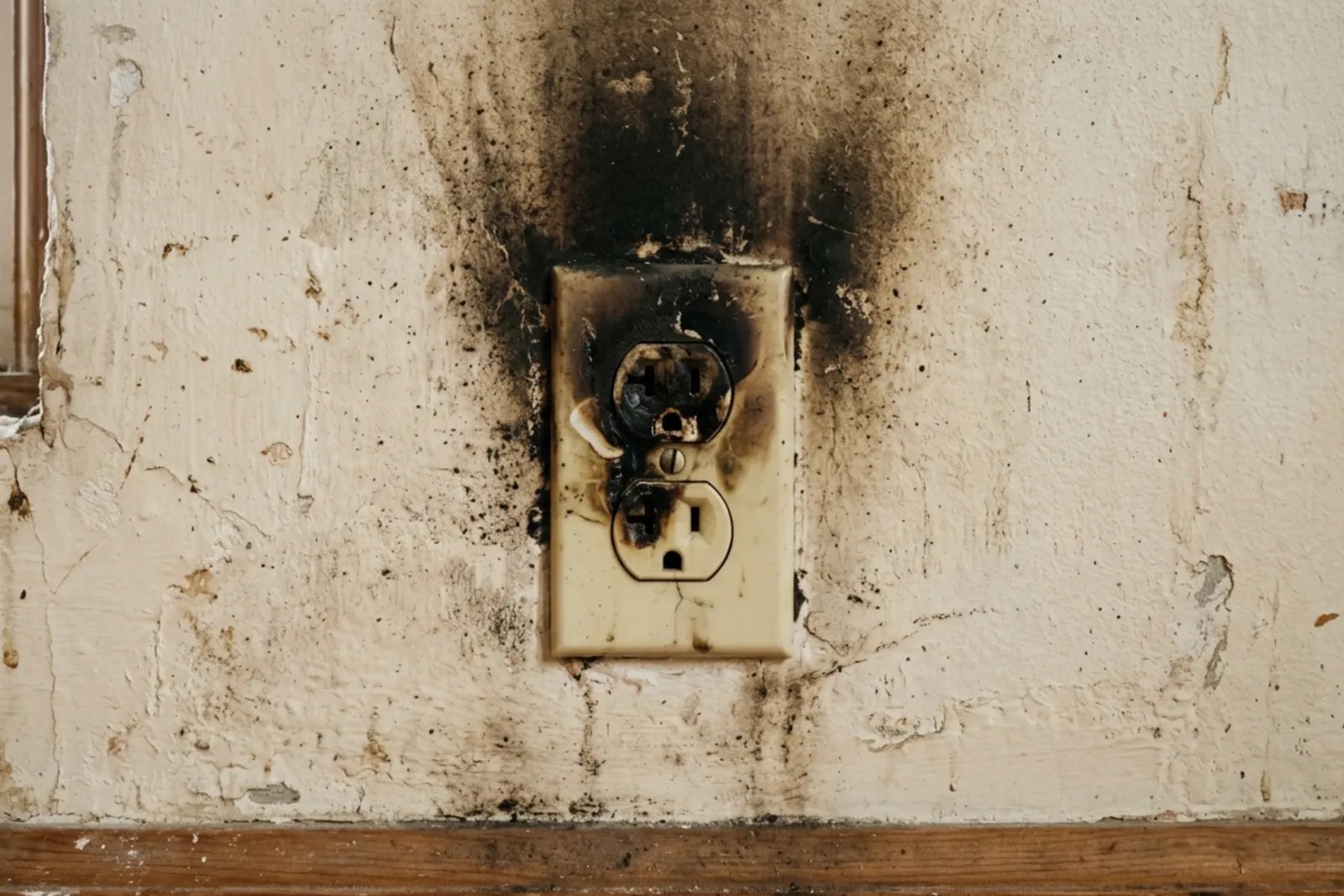
A discolored outlet or a switch that feels unusually warm can be easy to dismiss, especially when it still works. But working is not the same as safe. A poor electrical connection can continue supplying power while producing enough heat to damage the device and surrounding materials.
That concern deserves particular attention in homes with older aluminum branch-circuit wiring. Replacing a worn receptacle with a new one may look like a straightforward repair, but the replacement must be compatible with the conductors behind it. The wrong device can leave a connection that becomes less reliable over time.
You do not need to become a wiring expert to make safer decisions. Understanding the warning signs, the limits of a simple device replacement, and the available repair approaches can help you recognize when professional assessment is needed.
Why Electrical Connections Matter
Electrical wiring depends on secure connections wherever conductors meet receptacles, switches, fixtures, or other conductors. When a connection deteriorates, electrical resistance can increase. Current passing through that resistance produces heat.
A circuit breaker does not necessarily stop this process. Standard breakers primarily protect against overloads and short circuits. A deteriorating connection can overheat without drawing enough current to trip the breaker.
That explains why an outlet that “has never tripped the breaker” may still need attention.
Electrical fire prevention involves more than avoiding overloaded power bars. It also means checking whether devices are suitable for their wiring, investigating signs of overheating, and correcting damaged connections before continued use makes the problem worse.
Appearance alone cannot establish safety. A freshly installed receptacle can conceal an unsuitable connection just as easily as an old one.
What Is Legacy Aluminum Branch Wiring?
Branch circuits carry electricity from the electrical panel to outlets, lighting, and other equipment. Some older homes have solid aluminum conductors on circuits that would commonly use copper in newer residential construction.
In Canada, this wiring is often associated with homes built or wired during parts of the 1960s and 1970s. Construction age is only a clue, though. Renovations, additions, and partial rewiring can leave a home with several wiring types.
Aluminum is still used successfully in electrical systems, particularly for larger conductors connected to equipment designed for it. Its presence does not automatically mean an entire installation is unsafe. The concern here is older aluminum branch wiring and the condition and suitability of its connections.
Why these connections need special attention
Aluminum behaves differently from copper. It expands and contracts more with temperature changes, and its surface develops an oxide layer that can interfere with electrical contact. Under unsuitable connection conditions, pressure at the connection can also change over time.
These characteristics matter at terminals and splices. A device or connector designed only for copper may not maintain a reliable connection with aluminum.
Repeated heating and cooling can make an unsuitable connection progressively worse. The result may be intermittent operation, damaged insulation, arcing, or overheating.
Warning Signs That Deserve Attention
Some electrical problems announce themselves clearly. Others remain hidden inside electrical boxes. Watch for these signs:
Receptacles, switches, or wall plates that become unusually warm.
Browning, scorching, melting, or other discoloration.
Burning odors, crackling, buzzing, or visible sparking.
Lights that flicker repeatedly or devices that work intermittently.
Plugs that fit loosely, or receptacles and switches that move in the wall.
These symptoms do not prove that aluminum wiring is the cause. Copper wiring, worn devices, damaged cords, and other faults can create similar problems. They do mean the issue should be investigated rather than covered with a new faceplate.
A loose plug deserves attention even when the wiring itself is sound. Worn receptacle contacts can create poor contact with plug blades and generate heat. A loose device in the wall may also place stress on its wiring.
When the situation is urgent
If there is smoke, active sparking, fire, or a strong burning smell, move people away and call emergency services when appropriate. Do not touch a hot or damaged device, and never use water on an electrical fire.
If you can safely access the electrical panel and confidently identify the affected circuit, switching it off may reduce the immediate risk. Do not approach a panel that is smoking, sparking, unusually hot, or otherwise unsafe.
For a suspected electrical fault without an active fire, stop using the affected outlet or circuit and seek prompt professional advice. Emergency electrical service may be appropriate when overheating, arcing, or a burning odor is present. Do not repeatedly reset a breaker to keep a faulty circuit operating.
Why a Standard Outlet Swap Can Be Unsafe
Many replacement switches and receptacles are intended for copper conductors only. Their shape, color, and amperage rating do not establish compatibility with aluminum wiring.
Attaching an aluminum conductor directly to a copper-only terminal can create an unreliable connection. The device may operate normally at first, which makes the mistake especially difficult for a homeowner to recognize.
The same concern applies to splices. A general-purpose wire connector is not automatically suitable for joining copper and aluminum. Connector markings, conductor sizes, conductor combinations, and installation instructions all matter.
Adding a short copper wire, commonly called a pigtail, does not solve the problem by itself. The connection between the copper pigtail and the aluminum conductor must use a method specifically suitable for that purpose.
Antioxidant compound is not a universal fix either. It cannot turn an incompatible connector into a suitable one. Whether a compound is required, permitted, or already provided depends on the connector and its instructions.
The safest question is not “Will this new outlet work?” It is “Is every part of this connection suitable for the wiring and installed correctly?”
Understanding the Main Repair Approaches
There is no single repair choice that fits every home. An electrician needs to consider the wiring type, conductor condition, existing devices, previous repairs, and applicable electrical requirements.
Devices identified for aluminum conductors
Some receptacles and switches are specifically identified for certain aluminum branch-circuit conductors. Where appropriate, these can provide a compatible direct connection when installed according to their certification and instructions.
Compatibility must be confirmed for the actual application. A vague description such as “heavy-duty” is not enough. Nor should every older device with an aluminum-related marking be assumed suitable for continued use.
Replacing a receptacle also does not correct unrelated problems elsewhere on the circuit. Other connections may still need assessment.
Approved connector-based repairs
A qualified electrician may use a connector-based method to connect an existing aluminum conductor to a copper pigtail. The copper pigtail can then connect to a suitable copper-only device.
The connector must be approved for the particular conductor materials, sizes, and combination involved. Some methods need specialized tools or installation training. Others have precise requirements for conductor preparation, tightening torque, and enclosure space.
This is why a product being available for purchase does not make it a safe do-it-yourself repair. Correct selection and installation are both necessary.
Circuit replacement or home rewiring
Replacing affected wiring may be appropriate when conductors are damaged, renovations provide access, or the electrical system needs broader changes.
Home rewiring can remove the legacy wiring within the scope of the work, but it involves more disruption than connection repairs. Access to walls and ceilings, circuit layout, and the condition of the rest of the installation all influence the decision.
A useful assessment should explain the proposed scope. Does it address one failed receptacle, all accessible connections on a circuit, or a wider set of affected circuits? Those are different jobs.
What a Professional Assessment Should Cover
A careful assessment looks beyond the device that prompted the service call.
The electrician should establish what wiring is present and examine accessible connections for compatibility, damage, and signs of previous unsuitable repairs. Depending on the findings, the assessment may need to extend to other devices or circuits with similar wiring.
Loose connections, damaged insulation, inadequate electrical boxes, and unrelated circuit defects can influence the repair plan. A connection method that is suitable in principle still needs enough space and sound conductors to be installed properly.
For homeowners in Greater Vancouver, the contractor should also confirm which authority has jurisdiction and whether the proposed work requires an electrical permit and inspection. Requirements depend on the location and scope. Do not assume a small-looking repair is exempt.
When arranging electrical repairs, ask how the electrician will identify compatible devices or connectors and how the completed work will be documented. Licensed electricians should be able to explain the approach in plain language. Insurance is worth confirming, but it does not replace the need for appropriate qualifications and authorization.
A visual assessment also has limits. No one can verify every concealed connection without access. A reliable explanation should distinguish what was inspected from what remains unknown.
Renovations and New Electrical Loads
Renovations often expose wiring that has remained undisturbed for years. That makes them a useful opportunity to assess older circuits before walls are closed or new devices are installed.
Tell your renovations electrician about known aluminum wiring early. A project that starts with new lighting or receptacles may require additional connection repairs once the existing wiring is examined.
New electrical loads need separate consideration. EV charger installation, hot tub wiring, and sauna wiring generally require equipment-specific circuit planning. A Level 2 charger, for example, places a substantial sustained load on the electrical system and needs an appropriate installation.
These projects should not be treated as simple extensions of an available older circuit. Capacity calculations, circuit requirements, equipment instructions, and permits may all affect the work.
Panel upgrades have their own purpose. A new panel may address capacity or equipment issues, but it does not automatically correct unsuitable aluminum connections elsewhere in the home. The project scope should make that distinction clear.
Practical Prevention Between Service Visits
Homeowners can reduce risk without opening electrical boxes.
Pay attention to changes in how outlets, switches, and lighting behave. Stop using damaged devices, avoid forcing plugs into loose receptacles, and keep high-load appliances connected as their manufacturers direct. Extension cords should not become permanent substitutes for suitable fixed wiring.
Do not remove devices to inspect conductor color yourself. Identifying wiring can require reading cable markings and examining connections, and appearance can be misleading. Opening a box also introduces shock and damage risks.
Keep records of inspections and repairs. Documentation is especially useful when a home has a mixture of original wiring and later alterations. It helps future electricians understand which connections were addressed and which areas may still require assessment.
Maintain working smoke alarms according to manufacturer instructions and local requirements. They are an essential protective measure, though they cannot prevent a defective connection from overheating.
Make Compatibility the Starting Point
The most useful lesson about aluminum wiring is straightforward: a replacement device is safe only when it is suitable for the conductors and correctly installed.
A warm receptacle, recurring flicker, or discolored switch should lead to investigation, not a cosmetic replacement. Suitable devices, approved connector-based repairs, and rewiring each have a place, depending on the condition and scope of the installation.
If you suspect legacy aluminum branch wiring, leave the connections undisturbed and arrange a professional assessment. Finding out what is present, what condition it is in, and which repairs are appropriate is a practical step toward reducing electrical fire risk.
Need a licensed electrician?
Free consultations across Greater Vancouver — and 24/7 emergency service.
Get a Free Quote