
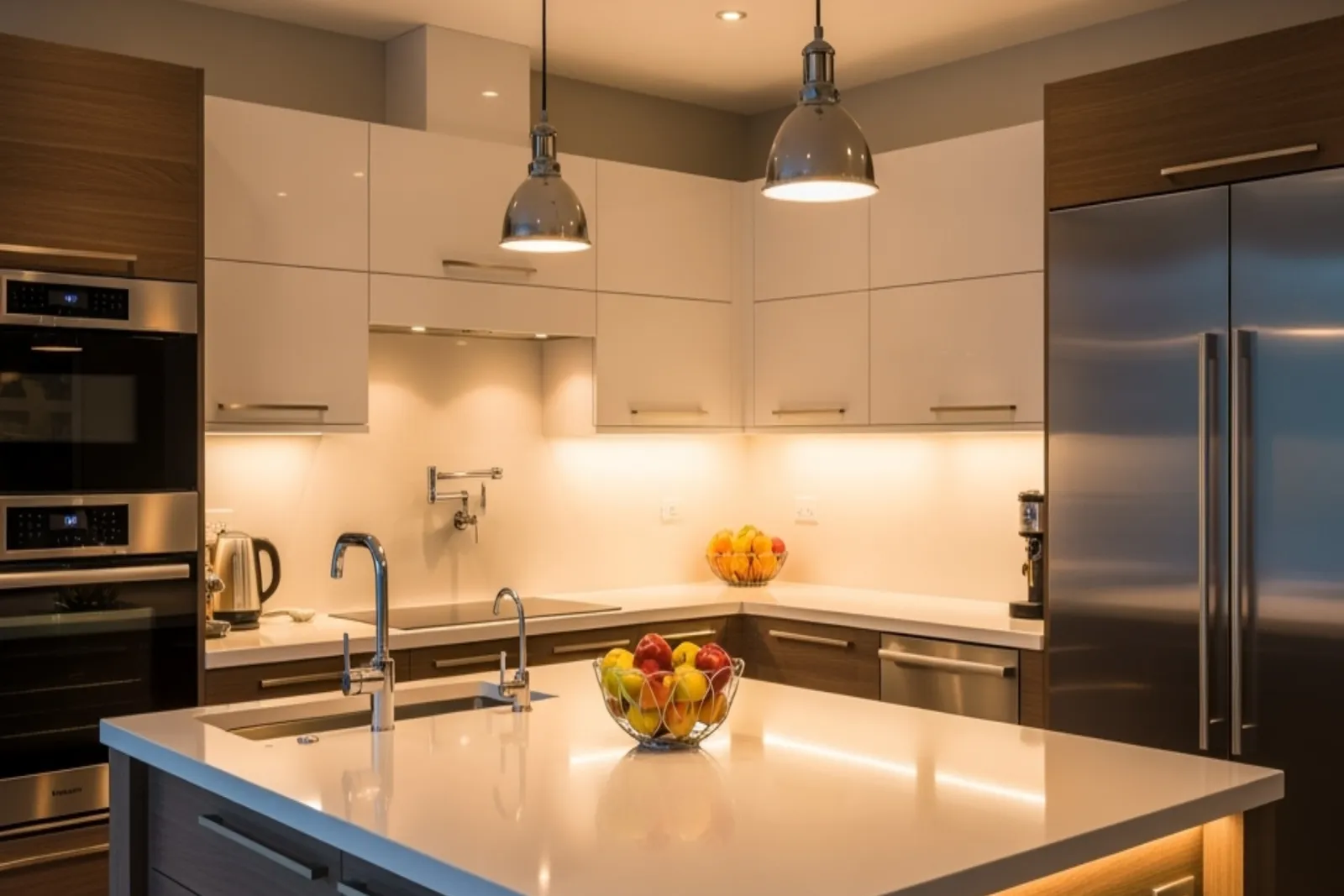
Smart Kitchen Lighting: Boost Safety, Efficiency in Vancouver Homes
Discover smart kitchen lighting tips to improve safety and efficiency in Vancouver homes. Learn from Eagle Power’s experts—book your consultation today!
September 23, 2026
Why Smart Kitchen Lighting Matters for Safety, Comfort, and Efficiency
The kitchen is one of the most active and multifunctional rooms in any home, serving as the heart of daily routines and social gatherings alike. Yet, its potential is only fully realized with well-planned lighting. Adequate illumination is crucial not just for aesthetic appeal but for safety and efficiency. Proper lighting reduces the risk of accidents—like cuts or spills—by ensuring countertops, sinks, and stoves are clearly visible. Layered lighting, which includes ambient, task, and accent sources, allows you to tailor the space for different activities, from food prep to entertaining guests.
Beyond function, lighting sets the mood. Dimmable and accent lights turn a kitchen from a bustling workspace during the day into a welcoming hub for dinner parties in the evening. Choosing energy-efficient LED fixtures and incorporating smart controls can significantly decrease energy consumption, delivering cost savings while lowering your environmental footprint. Finally, professional design and installation by a licensed electrician ensure your kitchen lighting not only looks great but also meets rigorous safety and electrical codes, providing you with peace of mind and long-term reliability.
Planning Your Kitchen Lighting Layout: Zones, Layers, and Renovation Considerations
Effective kitchen lighting starts with a clear plan that considers how each part of the space is used. Begin by mapping out the primary zones: where you prep food, cook at the stove, wash dishes, eat meals, and access storage. Each area has distinct lighting needs. For example, food prep zones require bright, focused task lighting, while eating areas benefit from softer, ambient illumination.
Layering is key. Ambient lighting—often provided by ceiling fixtures—sets the baseline brightness, ensuring overall visibility. Task lighting, such as under-cabinet or pendant lights, is then focused on areas where precision is needed. Accent lighting highlights design features like backsplashes or open shelving, adding warmth and visual interest.
When selecting fixtures, think about style and function. Pendants, recessed lights, flush mounts, and chandeliers all offer different lighting qualities and aesthetics. Choose options with proven safety certifications and robust constructions, especially for high-use areas. Engaging a licensed electrician early in the process not only guarantees that fixtures are correctly placed and wired but also ensures compliance with local building codes. This is especially important if your kitchen renovation involves new circuits or complex control systems, which should always be handled by professionals.
Fixture Ideas by Kitchen Zone: Islands, Sinks, Ceilings, and Cabinets
Tailoring lighting fixtures to specific kitchen zones not only boosts functionality but also elevates design. For kitchen islands—often the hub for prep work and socializing—pendant lights are a go-to choice. Install a single statement pendant for a minimalist look, group multiples for greater coverage, or opt for multi-light chandeliers to make the island a visual focal point. Recessed lighting above the island delivers even, unobtrusive light, while track lighting allows you to adjust direction as needs change.
Under-cabinet lighting is essential for eliminating shadows on countertops. Slim LED strip lights provide continuous, energy-efficient illumination and are nearly invisible when installed. Puck lights offer targeted pools of brightness and work well in smaller kitchens or for highlighting specific areas. Many modern systems are smart-enabled, allowing control of color temperature and brightness for optimal visibility at any hour.
The area above the sink often needs focused task lighting. Pendant and recessed fixtures are popular here, with moisture-resistant or IP-rated models recommended due to exposure to steam and splashes. In kitchens where ceiling space is limited, wall sconces can provide ample light without requiring overhead installation.
For general ceiling lighting and low-clearance spaces, recessed and flush-mount fixtures distribute ambient light effectively. Track lighting offers flexibility, letting you point beams exactly where they’re needed—ideal for accenting artwork, shelves, or display cabinets. Always prioritize fixtures that match both your kitchen’s style and the demands of each zone, remembering that durability and safety are just as important as appearance.
Controls, LEDs, and Safety: Working with a Licensed, Insured Electrician
Lighting is only as effective as its controls and safety measures. Dimmers and smart switches allow you to adjust brightness and color temperature, shifting the kitchen atmosphere from bright and functional to cozy and inviting as needed. Smart controls can integrate with home automation systems or work via mobile apps and voice commands, making it easy to set schedules or change lighting “scenes” for different activities.
LED fixtures are now the standard for residential and commercial kitchens alike. They last significantly longer than traditional bulbs, consume less energy, and are available in a range of color temperatures to match your preferred ambiance—bright and crisp for meal prep, warmer and softer for evening gatherings. In areas prone to moisture, such as above sinks or near stoves, look for fixtures with IP (Ingress Protection) ratings to guard against water and steam damage.
Never overlook the importance of safety certifications from recognized organizations. Sturdy construction and reputable brands add another layer of protection. Ultimately, the best way to ensure your kitchen lighting is safe, efficient, and legally compliant is to work with a licensed and insured electrician. Professional electricians are trained to navigate complex wiring, load calculations, and code requirements—delivering peace of mind and a setup you can rely on for years.
Bringing It All Together: A Practical Kitchen Lighting Checklist for Vancouver Homes
Ready to illuminate your kitchen like a pro? Use this checklist to streamline your planning and ensure every corner is bright, efficient, and safe:
Define Kitchen Zones: Identify where you’ll prep, cook, clean, dine, and store items. This will help you assign the right type of lighting to each space.
Opt for LED Fixtures: Choose LEDs for their durability, energy savings, and customizable color temperatures. Match the tone to your kitchen’s daily rhythm—cooler for productivity, warmer for relaxation.
Layer Your Lighting: Combine ambient (general), task (focused), and accent (decorative) lighting to create a flexible and inviting environment.
Embrace Dimmers and Smart Controls: Install dimmers and consider smart lighting systems for ultimate adaptability and reduced energy consumption.
Prioritize Under-Cabinet Illumination: Minimize countertop shadows and improve task visibility with sleek under-cabinet lights.
Check Safety Ratings: For fixtures near sinks or stoves, ensure they are IP-rated and carry recognized safety certifications.
Engage a Licensed Electrician: Always consult a professional early in your project to confirm fixture placement, address wiring needs, and guarantee code compliance. This step protects your investment and ensures the safest outcome.
By following these steps, you’ll achieve a kitchen that’s not only beautiful and welcoming but optimized for safety, efficiency, and long-term value—no matter the scope of your renovation or new build.
Need a licensed electrician?
Free consultations across Greater Vancouver — and 24/7 emergency service.
Get a Free Quote